

Narmada Parikrama is a sacred circumambulation of the Narmada River covering approximately 2,600–3,800 km across Madhya Pradesh, Maharashtra, and Gujarat. Pilgrims walk or travel the South Bank (Dakshin Tat) downstream from Amarkantak to the Arabian Sea, then return via the North Bank (Uttar Tat). The full yatra, traditionally completed on foot, takes 3–6 months. Partial and vehicle-based options are also undertaken.
In this Blog
What Is Narmada Parikrama and Why Does It Hold Such Significance?


In Hindu tradition, the Narmada River known as Reva in sacred texts is considered a living goddess, the daughter of Lord Shiva. Unlike most holy rivers that require a ritual dip to confer merit, the Narmada is believed to sanctify simply by sight (darshan). The parikrama is a circumambulation of the entire river from source to sea and back, is said to confer merit equivalent to the Kashi Yatra and the Pradakshina of Mount Meru.
The origin of the parikrama tradition traces to the Skanda Purana and Rewa Khand scriptures, where the Narmada herself declares that those who walk her banks with devotion will be freed from the cycle of rebirth. This is not merely a pilgrimage route; for those who undertake it, it is a complete transformation of identity. Many parikramavasis adopt saffron robes, go barefoot, and observe strict dietary and behavioural codes throughout the journey.
In 2026, the Narmada Parikrama has seen renewed interest, particularly the Uttarvahini segment near Rajpipla and Tilakwada in Gujarat, where the river briefly flows northward, considered especially auspicious and the post-monsoon season trail from Amarkantak has seen a notable surge in first-time pilgrims.

Complete Route Map: Narmada Parikrama Stages
The parikrama starts at Amarkantak in Madhya Pradesh (the source of the Narmada) and proceeds downstream along the South Bank to Bharuch (Broach) in Gujarat where the river meets the Arabian Sea. The return journey covers the North Bank upstream back to Amarkantak. The total circuit spans 105+ stops.
var map = L.map(‘narmada-map’).setView([22.5, 78.5], 6);
L.tileLayer(‘https://{s}.tile.openstreetmap.org/{z}/{x}/{y}.png’, {
maxZoom: 18,
}).addTo(map);
// SOUTH ROUTE
var southCoords = [
[22.67, 81.75], // Amarkantak
[22.94, 81.08], // Dindori
[22.60, 80.37], // Mandla
[23.18, 79.95], // Jabalpur
[22.95, 79.20], // Narsinghpur
[22.75, 77.72], // Hoshangabad
[22.24, 76.15], // Omkareshwar
[22.18, 75.58], // Maheshwar
[21.82, 73.75], // Rajpipla
[21.70, 72.98] // Bharuch
];
// NORTH ROUTE
var northCoords = [
[21.70, 72.98], // Bharuch
[22.30, 73.22], // Vadodara
[22.65, 74.00], // Garudeshwar
[21.65, 74.50], // Akkalkuwa
[21.30, 76.20], // Burhanpur
[22.24, 76.15], // Omkareshwar
[22.75, 77.72], // Hoshangabad
[23.18, 79.95], // Jabalpur
[22.67, 81.75] // Amarkantak
];
// LAYERS
var southRoute = L.polyline(southCoords, {color: ‘blue’});
var northRoute = L.polyline(northCoords, {color: ‘green’});
var fullRoute = L.polyline(southCoords.concat(northCoords), {color: ‘purple’});
// MARKERS
southCoords.forEach(function(coord) {
L.marker(coord).addTo(map);
});
// FUNCTIONS
function showSouth() {
map.eachLayer(l => { if (l instanceof L.Polyline) map.removeLayer(l); });
southRoute.addTo(map);
}
function showNorth() {
map.eachLayer(l => { if (l instanceof L.Polyline) map.removeLayer(l); });
northRoute.addTo(map);
}
function showFull() {
map.eachLayer(l => { if (l instanceof L.Polyline) map.removeLayer(l); });
fullRoute.addTo(map);
}
// Default view
southRoute.addTo(map);
South Bank Route (Dakshin Tat): Going Downstream
| Sr. No. | Stop / City | State | Approx. Distance from Previous Stop |
|---|---|---|---|
| 1 | Amarkantak (Source) | Madhya Pradesh | Start |
| 2 | Dindori | Madhya Pradesh | ~85 km |
| 3 | Mandla | Madhya Pradesh | ~55 km |
| 4 | Jabalpur (Bhedaghat) | Madhya Pradesh | ~95 km |
| 5 | Narsinghpur | Madhya Pradesh | ~60 km |
| 6 | Hoshangabad (Narmadapuram) | Madhya Pradesh | ~70 km |
| 7 | Omkareshwar | Madhya Pradesh | ~150 km |
| 8 | Maheshwar | Madhya Pradesh | ~60 km |
| 9 | Barwaha | Madhya Pradesh | ~30 km |
| 10 | Rajghat / Mandu area | Madhya Pradesh | ~50 km |
| 11 | Shulpaneshwar | Maharashtra / Gujarat Border | ~120 km |
| 12 | Rajpipla | Gujarat | ~40 km |
| 13 | Tilakwada (Uttarvahini Point) | Gujarat | ~25 km |
| 14 | Ankleshwar | Gujarat | ~90 km |
| 15 | Bharuch (Sea Point) | Gujarat | ~30 km |
Total South Bank Distance: ~1,300–1,400 km
North Bank Route (Uttar Tat): Going Upstream (Return)
| # | Stop / City | State | Approx. Distance from Previous Stop |
|---|---|---|---|
| 1 | Bharuch | Gujarat | Start (Return) |
| 2 | Vadodara area / Nandod | Gujarat | ~60 km |
| 3 | Garudeshwar | Gujarat | ~40 km |
| 4 | Shulpaneshwar (North side) | Gujarat | ~30 km |
| 5 | Akkalkuwa / Toranmal | Maharashtra | ~80 km |
| 6 | Burhanpur | Madhya Pradesh | ~70 km |
| 7 | Omkareshwar (North) | Madhya Pradesh | ~130 km |
| 8 | Dewas area | Madhya Pradesh | ~55 km |
| 9 | Sanawad | Madhya Pradesh | ~40 km |
| 10 | Hoshangabad (North bank) | Madhya Pradesh | ~90 km |
| 11 | Seoni / Gadarwara | Madhya Pradesh | ~80 km |
| 12 | Mandla (North) | Madhya Pradesh | ~60 km |
| 13 | Dindori (North) | Madhya Pradesh | ~50 km |
| 14 | Amarkantak (Completion) | Madhya Pradesh | ~85 km |
Total North Bank Distance: ~1,200–1,300 km
Distance Summary
| Route | Approx. Distance | States Covered |
|---|---|---|
| South Bank (Dakshin Tat) | ~1,300–1,400 km | MP → MH → GJ |
| North Bank (Uttar Tat) | ~1,200–1,300 km | GJ → MH → MP |
| Total Parikrama | ~2,600–3,800 km | MP, MH, GJ |
Note: Total distance varies (2,600–3,800 km) depending on detours to temples, route choices, and mode of travel.
Types of Narmada Parikrama: Comparison of All Modes

Pilgrims undertake the parikrama in several ways depending on age, physical condition, time, and devotion. Here is a clear comparison:
| Type | Mode | Duration | Approx. Cost | Best For |
|---|---|---|---|---|
| Padyatra (Full On Foot) | Walking | 3–6 months | ₹20,000–₹50,000 | Traditional devotees, sadhus |
| Partial Parikrama | Walking / Mixed | 7–30 days | ₹5,000–₹20,000 | First-timers, elderly pilgrims |
| Narmada Parikrama by Car | Private vehicle | 10–15 days | ₹30,000–₹70,000 | Families, short-leave pilgrims |
| Organised Bus Tour | Group AC bus | 14–20 days | ₹36,000–₹59,000/person | Senior citizens, comfort seekers |
| Cycle Parikrama | Bicycle | 45–90 days | ₹10,000–₹25,000 | Adventure-minded devotees |
Padyatra (On Foot): The Traditional Method
Walking the full circuit is considered the most spiritually potent form of the parikrama. Traditional rules require the river always remain on the pilgrim’s right side, and many sections are walked barefoot.
Key stages for padyatra planning:
| Phase | Stretch | Daily Distance | Terrain |
|---|---|---|---|
| Phase 1 | Amarkantak to Jabalpur | 18–25 km/day | Forested hills, moderate |
| Phase 2 | Jabalpur to Omkareshwar | 20–28 km/day | Plains, riverside ghats |
| Phase 3 | Omkareshwar to Shulpaneshwar | 15–22 km/day | Tribal forests, hilly stretches |
| Phase 4 | Shulpaneshwar to Bharuch | 12–20 km/day | Flat Gujarat terrain |
| Phase 5 | Return (Uttar Tat) | 15–25 km/day | Reverse of above |
Rules for traditional padyatra:
- The Narmada must remain on the right (going downstream) and left (returning upstream) at all times
- No crossing of the river mid-parikrama
- Strictly vegetarian, sattvic diet
- No footwear in many sacred stretches (optional per individual vow)
- Overnight stays primarily at dharamshalas and ashrams along the route
- Begging for food (madhukari) is considered part of the traditional practice
Partial Parikrama (Short Version)
Not everyone can commit to months on foot. Several partial parikrama formats have gained acceptance among pilgrims:
| Format | Stretch Covered | Duration | Ideal Starting Point |
|---|---|---|---|
| Omkareshwar Parikrama | Omkareshwar Island circuit | 1 day (7–8 km) | Omkareshwar |
| Uttarvahini Segment | Tilakwada to Rajpipla (Gujarat) | 2–5 days | Rajpipla / Vadodara |
| Amarkantak Short Loop | Source temples + local ghats | 1–2 days | Amarkantak |
| MP Segment Only | Amarkantak to Omkareshwar | 30–45 days | Amarkantak |
The Omkareshwar Parikrama is a circumambulation of the sacred island where the Omkareshwar Jyotirlinga temple stands, is the most commonly undertaken short parikrama and draws tens of thousands of pilgrims annually. It is completed on foot in a single day (approximately 7 km).
Best Time for Narmada Parikrama in 2026
The timing of your parikrama significantly affects both safety and experience. Here is a month-by-month breakdown:
| Month | Weather | Suitability | Notes |
|---|---|---|---|
| October | Pleasant, 22–30°C | ✅ Excellent | Post-monsoon; Kartik Purnima start auspicious |
| November | Cool, 15–25°C | ✅ Excellent | Peak season begins |
| December | Cold, 10–20°C | ✅ Very Good | Ideal for long walks |
| January | Cold, 8–18°C | ✅ Very Good | Fog in MP; carry warm layers |
| February | Mild, 15–25°C | ✅ Excellent | Best month overall |
| March | Warm, 20–32°C | ✅ Good | Uttarvahini auspicious period (Rajpipla) |
| April | Hot, 28–40°C | ⚠️ Challenging | Heat risk; start walks before 7 AM |
| May–June | Very hot, 35–45°C | ❌ Avoid | Dangerous for walking |
| July–September | Monsoon | ❌ Avoid | Flooding, unsafe river banks |
The ideal window for starting Narmada Parikrama is October to February. Those doing partial yatras or visiting only Omkareshwar or Shulpaneshwar can also plan in March–April with appropriate heat precautions.
Registration for Narmada Parikrama 2026

As of 2026, registration requirements vary by segment and format:
- Full traditional padyatra: No mandatory central registration exists, but carrying identification documents is advised. Local temple trusts at Amarkantak issue informal start certificates.
- Uttarvahini Narmada Parikrama (Gujarat): The Gujarat government has introduced a mandatory digital registration system for the Uttarvahini segment (approximately March 19–April 17, 2026). QR codes and RFID wristbands are issued. Registration is available at yatradhamportal.gujarat.gov.in.
- Organised tour packages: Registration through the tour operator covers all state-level permits.
Pilgrims starting from Amarkantak in Madhya Pradesh should register at the Narmada Udgam temple office and carry copies of Aadhaar/passport throughout the yatra.
Important Temples Along the Narmada Parikrama


The parikrama passes through some of India’s most significant Shaivite and Vaishnava shrines:
- Narmada Udgam Temple, Amarkantak: The origin point of the river; the parikrama begins and ends here
- Kapildhara Waterfall, Amarkantak: Sacred waterfall 8 km from the source
- Bhedaghat (Marble Rocks), Jabalpur: Stunning gorge with Dhuandhar Falls; Chausath Yogini Temple nearby
- Omkareshwar Jyotirlinga Temple: One of the 12 Jyotirlingas; the sacred island is a parikrama within a parikrama
- Mamleshwar Temple, Omkareshwar: Twin shrine on the south bank, part of the Jyotirlinga complex
- Maheshwar Temple: Riverside temple town with Ahilyabai Holkar’s fort and ghats
- Shulpaneshwar Temple, Vyara (Gujarat): Ancient Shaivite shrine near the Maharashtra-Gujarat border; highly significant for Gujarat pilgrims coming from Surat, Vadodara, and Mumbai
- Ekpuri / Uttarvahini Point, Tilakwada: Where the Narmada flows north; considered supremely auspicious
- Garudeshwar: Shrine associated with Swami Samarth; major ashram stop on the North Bank
- Bharuch Narmada Sangam: The river’s meeting with the Arabian Sea; ritual sea darshan completes the South Bank journey

Rules and Regulations for Completing the Parikrama
The parikrama is governed by a combination of scriptural tradition and practical consensus among parikramavasis:
- Direction: Always proceed clockwise — downstream (south bank first, ocean, then upstream on north bank)
- No river crossing: The river must never be crossed once the parikrama has started; bridges are allowed only at the source and estuary
- Vegetarian diet: Strictly sattvic food only; no non-vegetarian food, alcohol, or tobacco
- Celibacy: Brahmacharya is observed throughout the journey by traditional pilgrims
- No argument or conflict: Physical or verbal disputes are considered to break the vow
- Minimum stay: Each significant stop (Kunds, Ghats, Tirthas) should receive proper darshan and ritual observance
- Documentation: Carry government-issued ID; registration QR codes mandatory for the Uttarvahini segment in Gujarat (2026)
- Eco-responsibility: No plastic near the river; garbage must not be left at ghats or forests
- Photography: Permitted at most sites; restricted inside sanctum sanctorums of major temples
- Women pilgrims: Women are welcome and regularly complete the parikrama; group travel is advisable for solo female pilgrims on remote forest stretches
Packing Guide for Narmada Parikrama
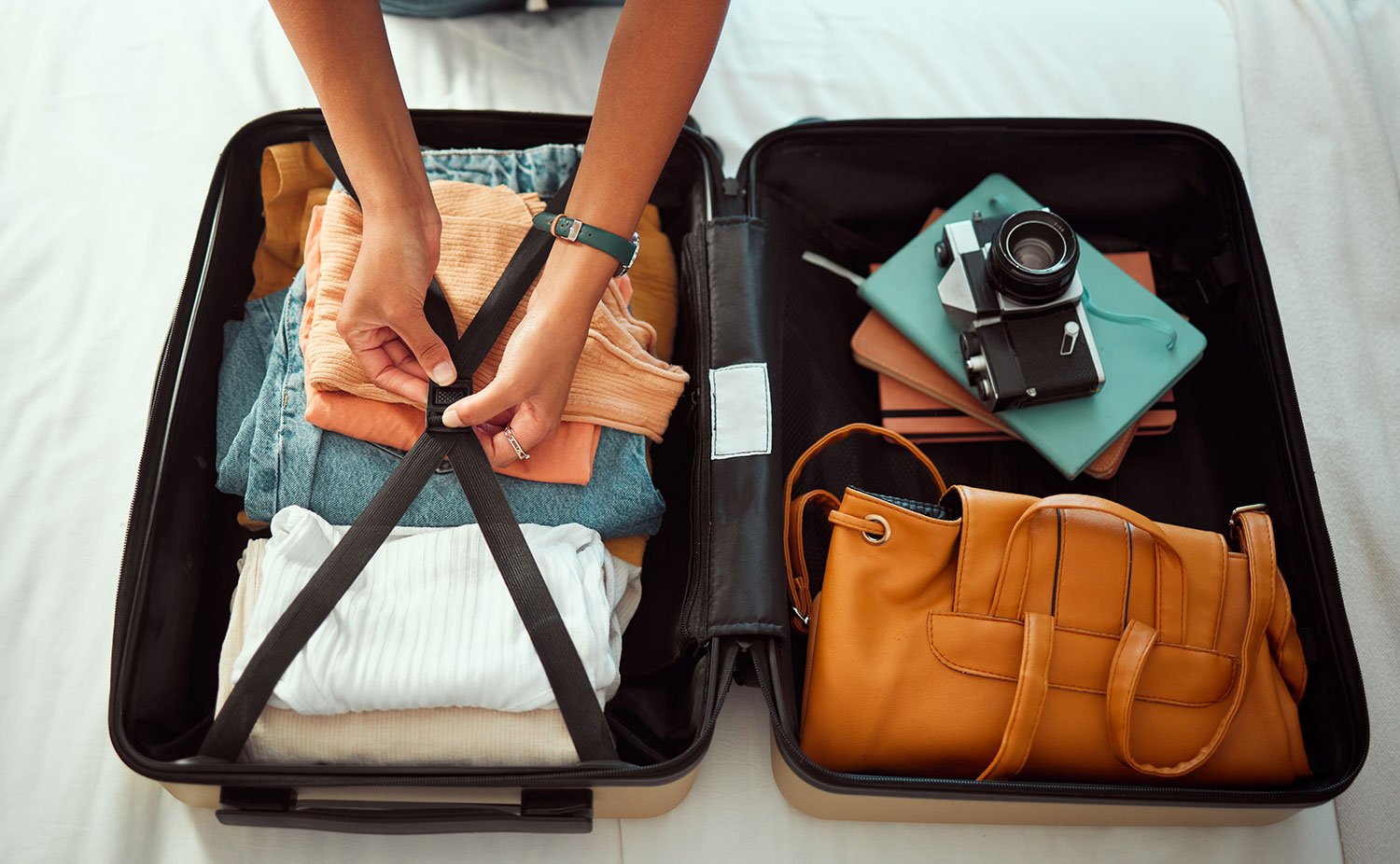
Pack light. Every extra kilogram becomes significant after 30 days of walking. Here is a practical list:
Essentials:
- Government-issued photo ID (original + 2 copies)
- Medical fitness certificate (recommended for those above 55)
- Trekking stick / bamboo danda
- Reusable water bottle (2-litre minimum)
- Electrolyte sachets (ORS packets)
- Personal first-aid kit: bandages, antiseptic, blister care, pain relief
Clothing:
- 3–4 sets of cotton clothes (quick-dry preferred)
- Light woollen layer for December–January nights in MP
- Rain poncho for unexpected showers
- Sandals with good ankle support (for non-barefoot segments)
Spiritual items:
- Rudraksha mala
- Small idol or photograph of your deity
- Parikrama diary / notebook
- Copy of Narmada Ashtakam or relevant stotras
Practical:
- Small solar-powered charger or power bank
- Offline maps downloaded (Google Maps, Maps.me — Narmada route)
- Torch / headlamp
- Lightweight sleeping bag or travel blanket for ashram stays
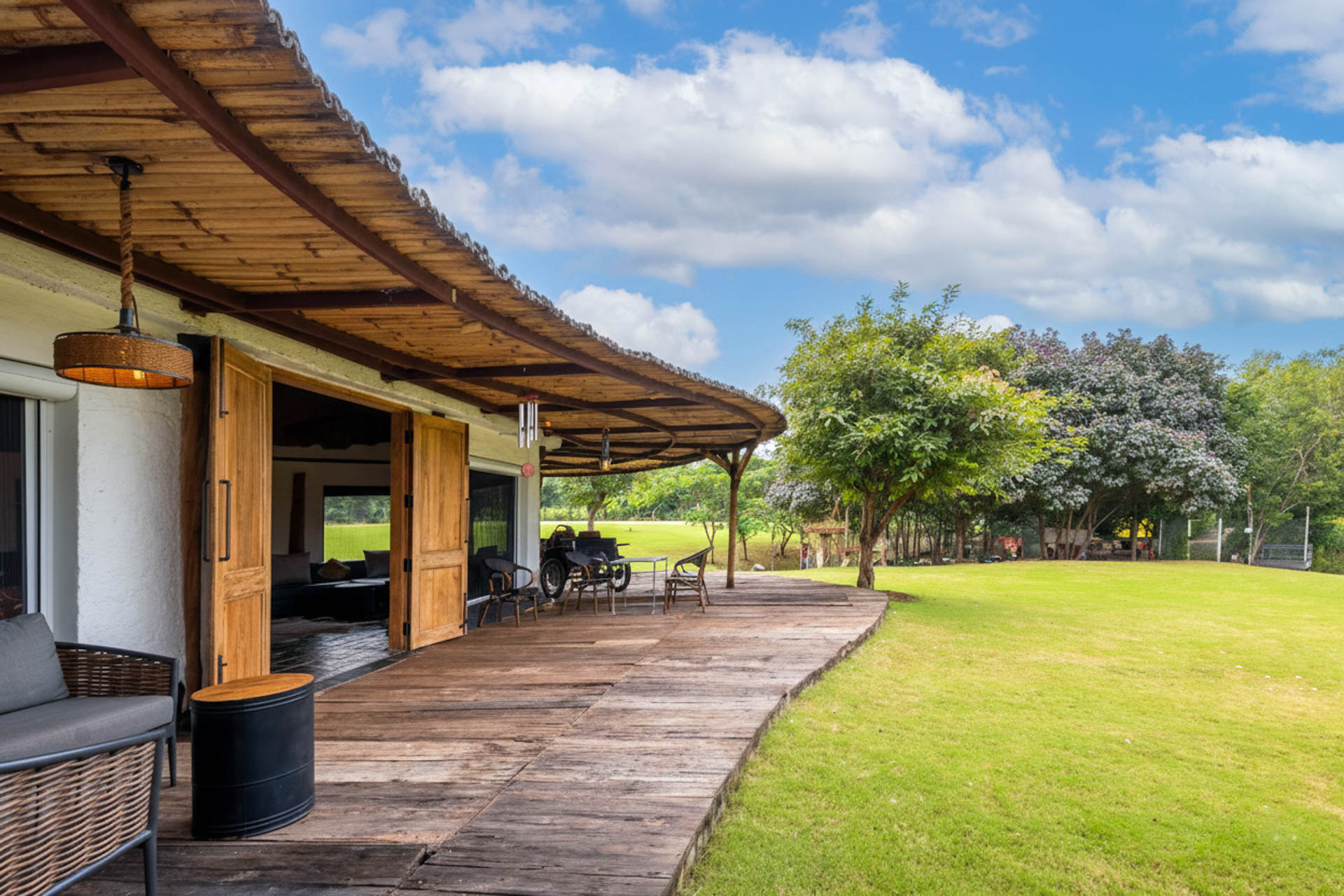
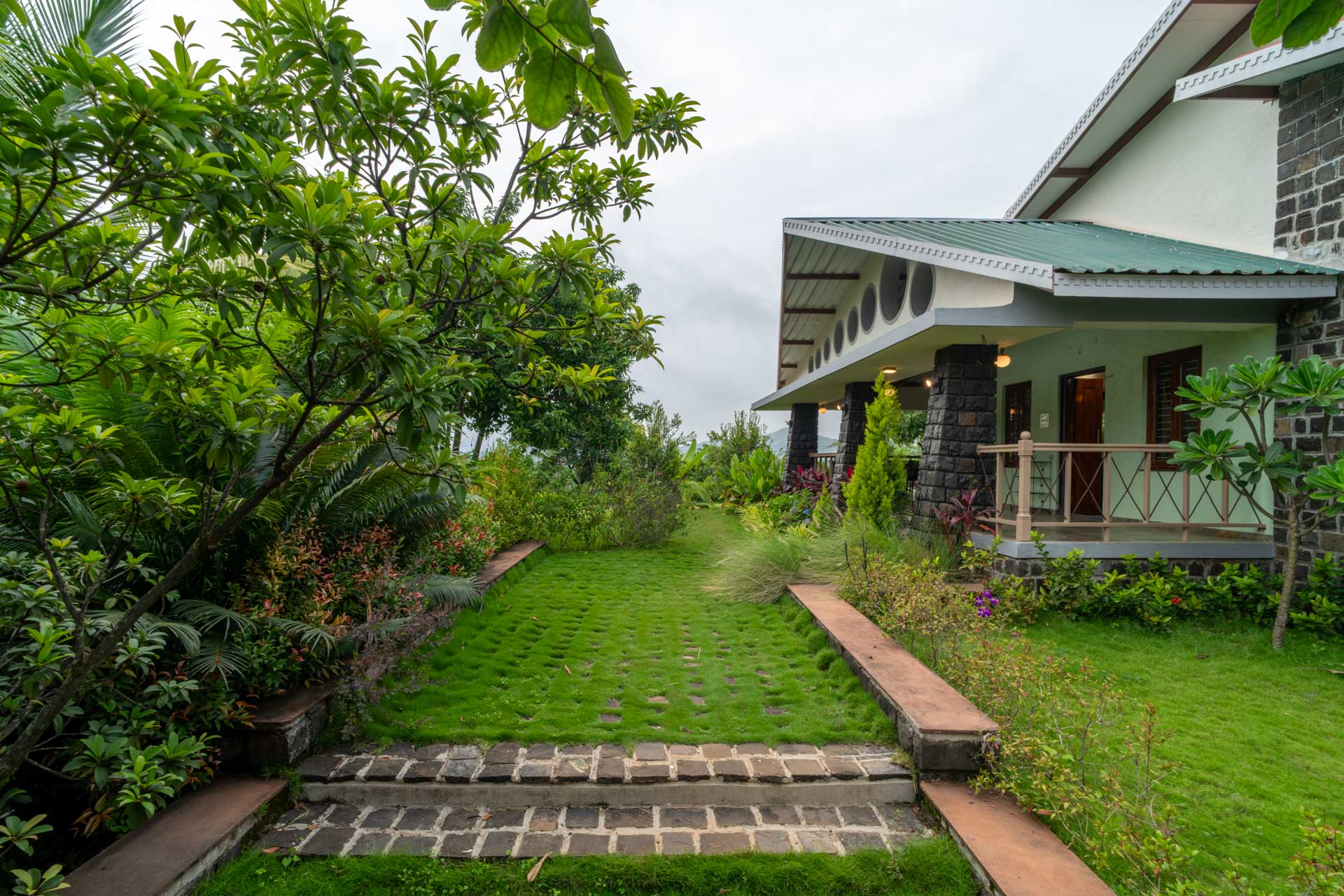
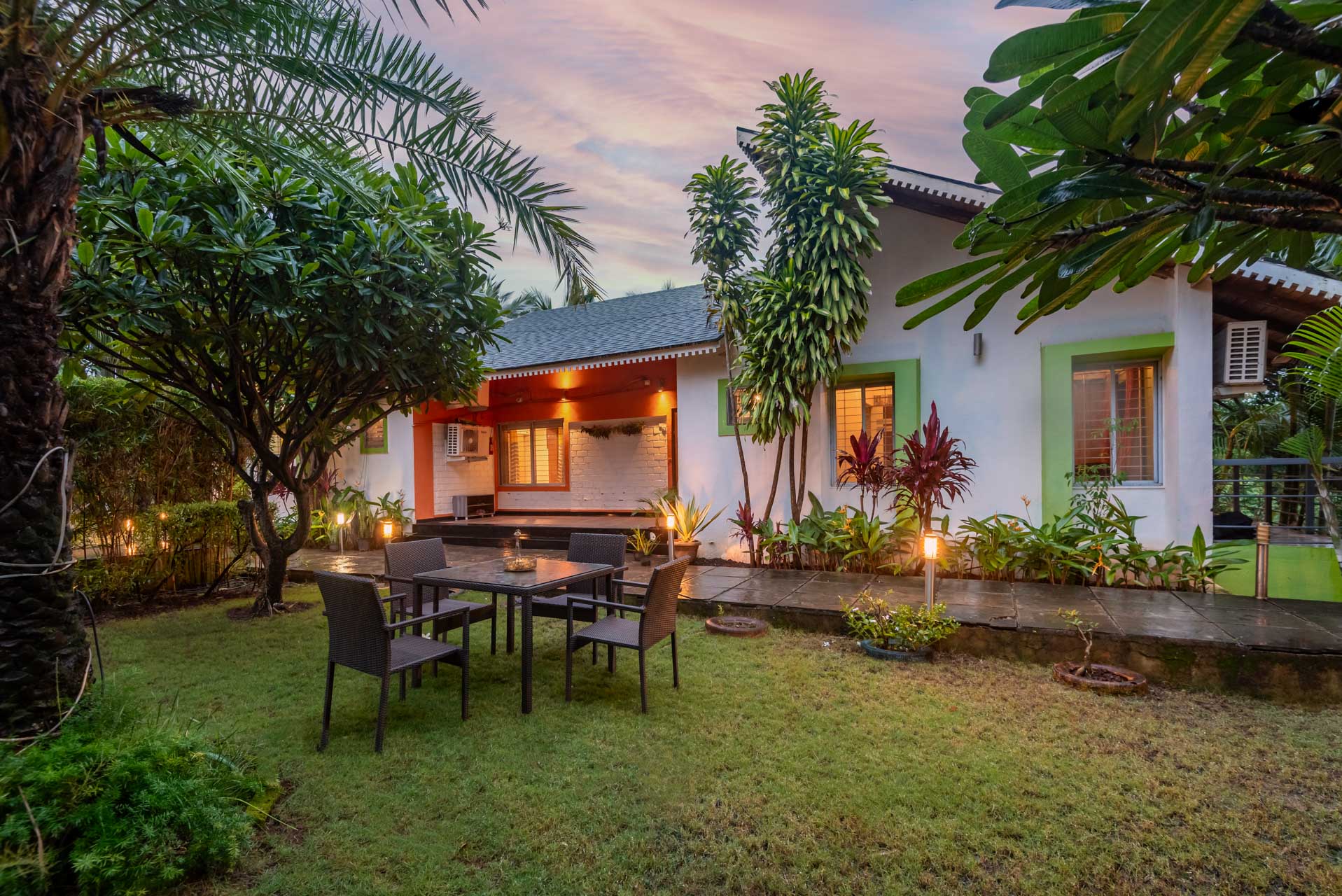
Where to Stay during Narmada Parikrama
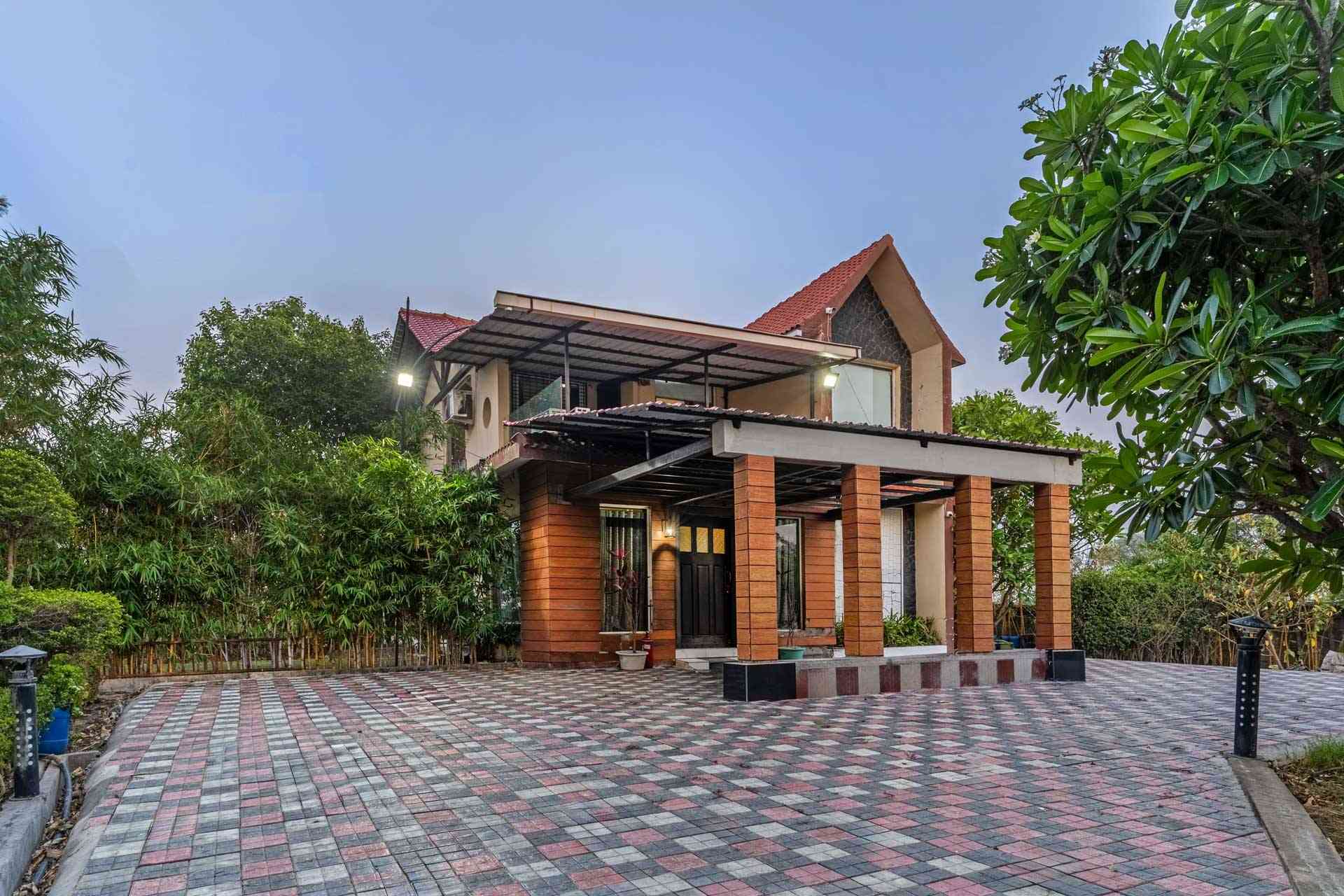
Places to Stay in Indore
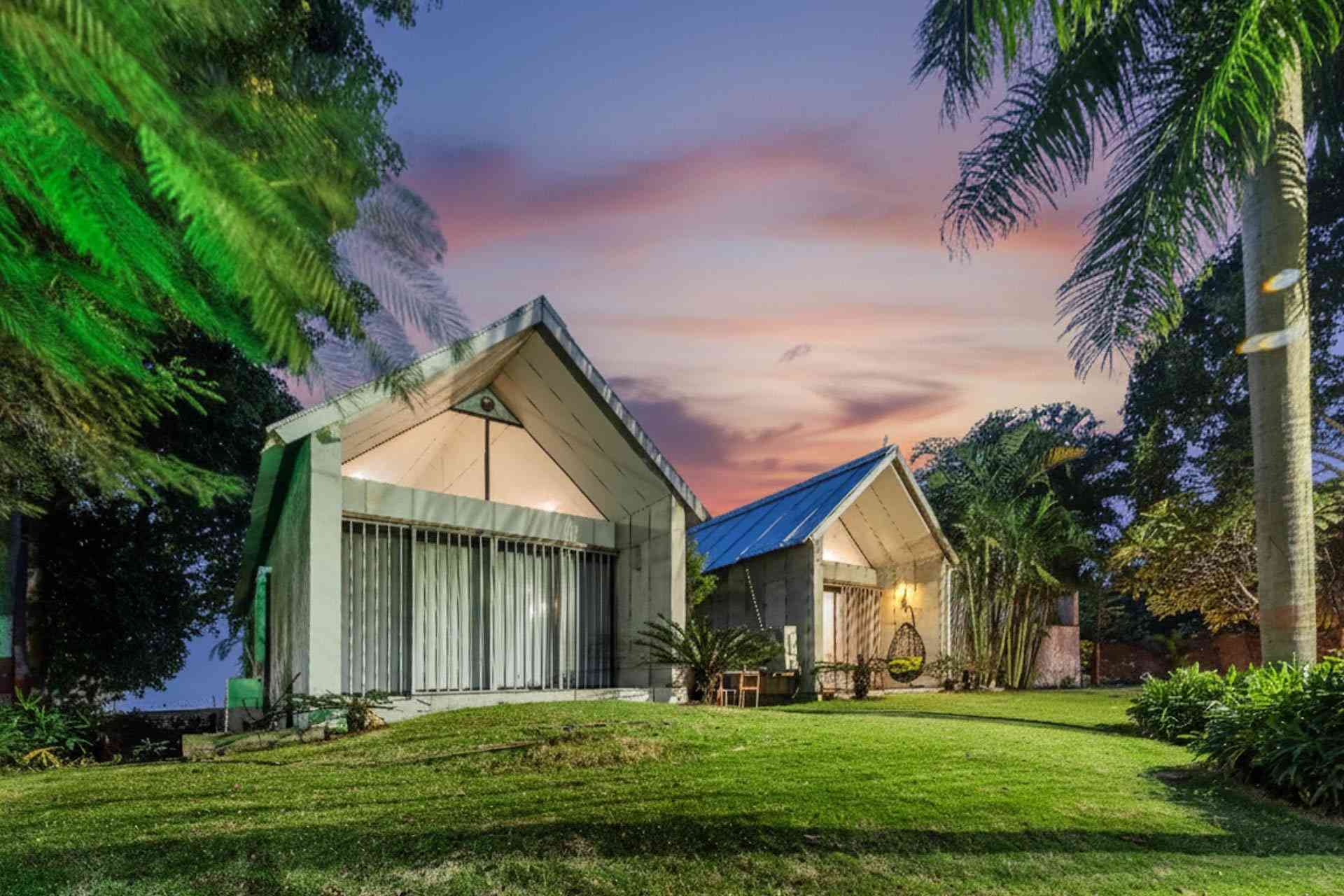
Places to Stay in Nashik

Cost and Budget Breakdown
Padyatra (On Foot)
| Expense Head | Estimated Cost |
|---|---|
| Food (ashrams, dhabas, madhukari) | ₹50–150/day → ₹9,000–27,000 total |
| Accommodation (dharamshalas, ashrams) | Mostly free; donations ₹0–100/night |
| Transportation (emergency travel) | ₹2,000–5,000 |
| Medicines and personal care | ₹2,000–4,000 |
| Offerings and dakshina at temples | ₹3,000–8,000 |
| Miscellaneous | ₹2,000–5,000 |
| Total (Full Padyatra) | ₹20,000–₹50,000 |
Narmada Parikrama by Car (Self-Drive / Hired)
| Expense Head | Estimated Cost |
|---|---|
| Vehicle fuel / hire (10–15 days) | ₹15,000–25,000 |
| Hotels / guesthouses | ₹600–2,000/night |
| Food | ₹300–600/day |
| Temple entry and prasad | ₹3,000–6,000 |
| Toll and parking | ₹1,000–2,500 |
| Total (By Car) | ₹30,000–₹70,000 |
Organised Bus Tour Package (Per Person)
| Package Type | Duration | Cost Range |
|---|---|---|
| Budget non-AC group tour | 14–16 days | ₹18,000–₹28,000 |
| Standard AC tour | 16–18 days | ₹36,000–₹45,000 |
| Premium AC with hotel stays | 18–21 days | ₹50,000–₹70,000+ |
Region-wise note: Madhya Pradesh segment is significantly cheaper in the off-peak months of March–April. Gujarat (Uttarvahini segment) requires some budget for the increased flow of pilgrims in that window.
FAQs
The full parikrama by foot takes 3–6 months depending on pace (18–28 km/day). By car, it can be covered in 10–15 days. Organised tours typically run 14–21 days.
The full circumambulation of the Narmada River covers approximately 2,600–3,800 km depending on route variations, detours to temples, and the path taken at Gujarat’s Uttarvahini segment.
October to February is ideal. November and February are the most comfortable months. Avoid the monsoon season (July–September) due to flooding and unsafe banks.
Yes, many women complete the parikrama solo annually. Forested stretches in Maharashtra and parts of Gujarat benefit from group travel. Registered dharamshalas along the route provide safe accommodation.
Full parikrama does not require central registration but the Uttarvahini segment in Gujarat (approximately March 19–April 17, 2026) requires digital registration at yatradhamportal.gujarat.gov.in.
Yes. Vehicle-based parikrama is permitted. However, traditional parikramavasis consider the padyatra the only form that confers full merit. Car or bus parikramas stop at key tirthas along both banks.
Omkareshwar Parikrama is a separate 7 km circumambulation of the Omkareshwar island in Madhya Pradesh, where one of the 12 Jyotirlingas is located. It is completed in a single day and is considered highly auspicious.
Uttarvahini refers to the segment near Tilakwada and Rajpipla in Gujarat where the Narmada briefly flows northward. This section is believed to be especially sacred and draws thousands of pilgrims during the Uttarvahini mela held in March–April each year.
Shulpaneshwar in Gujarat, near the Maharashtra border, is an ancient Shaivite shrine and a critical waypoint on the South Bank. It is particularly significant for pilgrims from Mumbai, Surat, and South Gujarat who begin partial parikramas from here.
A traditional walking parikrama costs ₹20,000–₹50,000 for the full journey. Organised AC bus tours range from ₹36,000–₹59,000 per person for 16–18 days. Car-based parikramas typically cost ₹30,000–₹70,000 depending on vehicle and accommodation choices.
Final thoughts

The Narmada Parikrama is a complete spiritual and logistical journey that spans thousands of kilometers, diverse terrains, and deeply sacred sites. This guide has covered everything from the narmada parikrama route map with distance to planning your narmada parikrama walking days, choosing between narmada parikrama by foot or narmada parikrama by car, and understanding costs and registration. Key stops like the Omkareshwar Jyotirlinga Temple, Maheshwar Fort, and Shulpaneshwar highlight the cultural and religious depth of the route. With insights on the narmada parikrama best time and 2026 updates like Uttarvahini registration, you now have a clear roadmap to plan effectively. Whether you undertake a full padayatra India experience or a shorter version, this Narmada Parikrama 2026 guide equips you to begin with clarity and confidence.
0 comments
No comments yet. Be the first to start the conversation!
Add to the conversation.
Your email won't be published. Required fields are marked *.