
The two-month window from mid-September to end-October is when the Eastern Himalayas exhale. The monsoon retreats, the air scrubs itself clean, and Kanchenjunga — often hidden for months — stands sharp against a deep blue sky. Temperatures sit in the 10°C–20°C range, hotel rates haven’t hit the Diwali peak yet, and trekking trails reopen after months of rain closure. If you want the pre-Diwali crowd-free version of Darjeeling and Gangtok, this is your window.
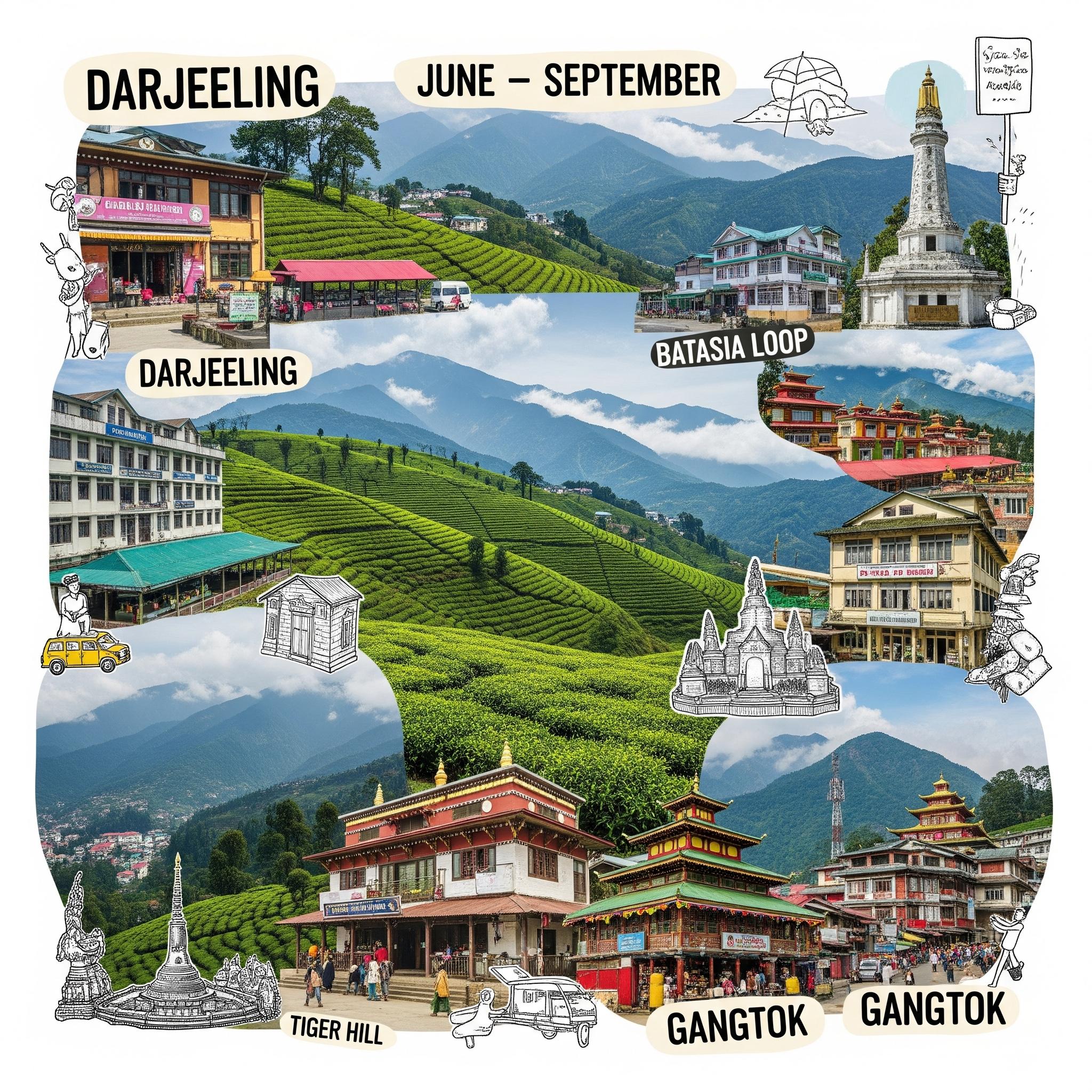
Every seasoned hill station traveller knows the unspoken rule: avoid Darjeeling and Gangtok during the monsoon months. But is that true? Is it worth visiting Darjeeling and Gangtok during the monsoon? According to locals across these Himalayan regions, June to September is one of the best seasons to visit Darjeeling and Gangtok—especially for tea garden tours, Kanchenjunga views in monsoon, and authentic Himalayan travel experiences that often go unnoticed by peak-season tourists. With the right planning, the monsoon becomes a perfect time for a more personal, relaxed, and immersive Himalayan escape. This guide makes it clear: the off-season isn’t just a good time to visit—it might be the best time.
In this Blog
Quick Info Table
| Best travel window in 2026 | 15 September – 31 October |
| Darjeeling temperature | 12°C – 20°C (day), 8°C – 12°C (night) |
| Gangtok temperature | 14°C – 22°C (day), 10°C – 14°C (night) |
| Rainfall | Tapers sharply after 20 September; October averages 8–12 rainy days, mostly evening drizzle |
| Nearest airport | Bagdogra (IXB) — 68 km to Darjeeling, 124 km to Gangtok |
| Nearest railway station | New Jalpaiguri (NJP) — same distances |
| Ideal duration | 5–7 nights across both towns |
| Permits (Sikkim) | Inner Line Permit for non-Indians; Protected Area Permits for Tsomgo, Nathula, North Sikkim |
| Budget range (per person) | ₹18,000 – ₹40,000 for 5 nights, excluding flights |
The Weather Sweet Spot: Why June-September Climate Beats All Other Seasons
The Monsoon Retreat Is a Real Event, Not a Vibe
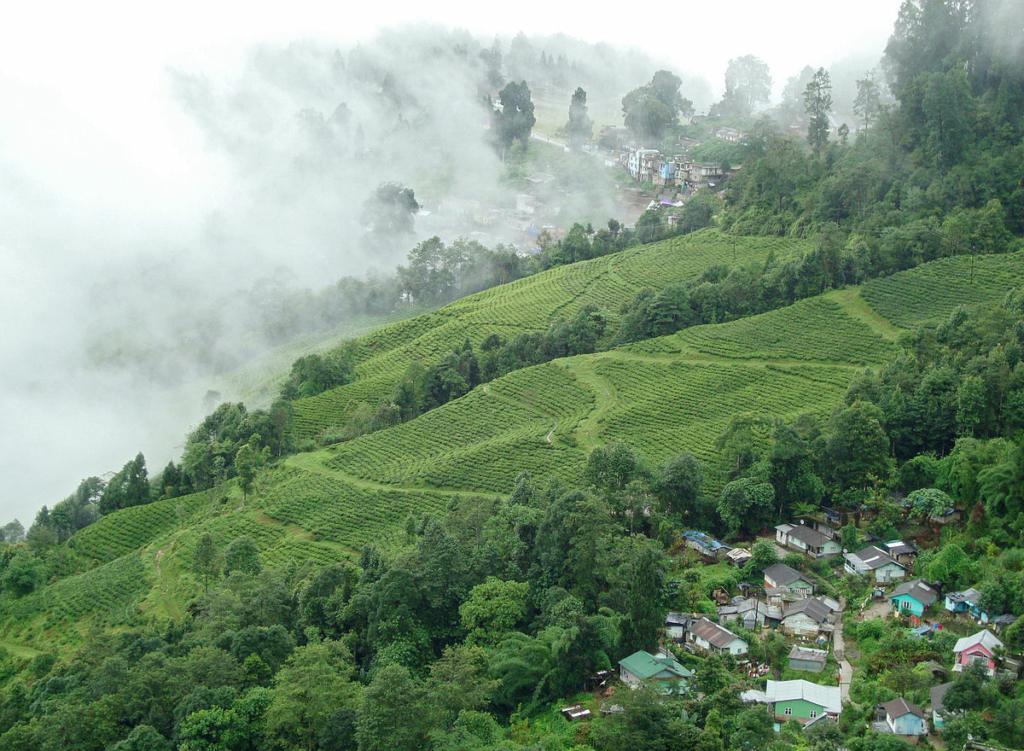
The Southwest Monsoon typically withdraws from West Bengal and Sikkim between 20 September and 5 October. When it goes, it goes fast. By the last week of September, the low-hanging cloud that has parked over the hills for three months lifts almost overnight. Rain doesn’t stop entirely — expect short evening spells in early October — but the daytime skies open up in a way that surprises even repeat visitors.
Locals in Darjeeling call the first fully clear morning “Kanchenjunga Day.” Ask anyone at a tea shop on Chowrasta and they’ll tell you the exact date it happened last year.
Kanchenjunga Reveals Itself
For roughly 100 days between June and mid-September, Kanchenjunga is invisible from the standard viewpoints. Post-monsoon, the third-highest mountain in the world becomes the backdrop to every rooftop, tea garden, and monastery courtyard.
Tiger Hill sees success rates for sunrise views climb from below 25% in August to above 70% by mid-October. Tinchuley, Lamahatta, and Sandakphu deliver the same trend on a longer scale. From Gangtok, viewpoints at Ganesh Tok, Hanuman Tok, and the Tashi Viewpoint move from “cloudy most days” to “clear most mornings.”
Temperatures Sit in a Genuine Goldilocks Zone
Darjeeling’s October daytime highs stay between 12°C and 20°C, dropping to single digits after sunset. Gangtok, sitting lower at 1,650 m compared to Darjeeling’s 2,050 m, runs 2–3°C warmer. This is the last comfortable window before you need serious winter layers. A fleece and one light down jacket cover you across most itineraries.
What Makes This Window Different from Peak Season
Crowds Thin, Prices Stay Reasonable
October in Sikkim–Darjeeling is a soft-shoulder season for Indian travellers. The Durga Puja rush (usually the second week of October) is the one exception — Bengali travellers flood the region for four days. Book around it, not through it.
Outside those four days, hotel occupancy in Gangtok hovers around 55–65%, compared to 90%+ during Diwali and Christmas week. Villa and homestay rates in Darjeeling and Kalimpong sit roughly 20–30% below their December peak.
Autumn Light Is What Photographers Chase
The angle of the sun in late September and October produces the softest light you’ll get in these hills all year. Mist rolls in and out of the tea gardens in Happy Valley and Makaibari through the morning, and by 10 a.m. you get high-contrast views of the Himalayas over layered ridgelines. Local photographers block this window off six months in advance — that’s the tell.
Post-Monsoon Flora Has Its Own Show
Rhododendrons are a spring story, but autumn belongs to Himalayan asters, wild marigolds, and the cosmos fields around Pelling and Ravangla. Yumthang Valley isn’t in its famous May bloom, but the descent from Zero Point through changing birch and maple gives you something closer to a Kashmir chinar autumn — without the security concerns.
Experiences That Only Work Right Now

Sunrise Trips That Actually Deliver
Tiger Hill sunrise (arrive by 4:45 a.m., entry ₹50 for Indians, ₹100 for foreigners) becomes a genuinely reliable outing in October. If Tiger Hill feels too popular, Tinchuley — 32 km from Darjeeling — offers the same Kanchenjunga arc with maybe eight other people around you.
Pro tip: Skip the standard shared jeep. Book a private cab the evening before (₹1,800–₹2,200 round trip) and ask the driver to add a stop at Batasia Loop for the Ghum monastery visit on the way back.
Second Flush Tea Tasting Extends into September
Darjeeling tea is picked in flushes. The prized second flush (muscatel) is plucked May–June but is only available for tasting through August–September. Estates like Happy Valley (4 km from town, tours 10:30 a.m. and 2:00 p.m., ₹100 entry), Makaibari (near Kurseong), and Glenburn Tea Estate run tasting sessions where you can compare first, second, and monsoon flushes side by side. October adds the autumnal flush — lighter, less famous, but easier to buy because production is small.
Yumthang and Zero Point Reopen
North Sikkim’s roads take a beating during the monsoon. The route to Yumthang Valley (via Lachung) and Zero Point typically reopens fully around 20 September once the Border Roads Organisation clears the last landslides. October is the first month you can do the standard 3D/2N North Sikkim circuit without weather cancellations being routine.
You’ll need a Protected Area Permit — arrange it through your registered Gangtok tour operator 48 hours in advance. Aadhaar for Indians, passport plus two photos for foreigners.
Monastery Festivals Line Up in a Row

September–October is the fullest festival stretch in the Sikkim–Darjeeling calendar:
- Pang Lhabsol (falls on 15 September 2026) — Sikkim’s guardian deity festival at Tsuklakhang Palace Monastery in Gangtok. Look for the Pangtoed Chaam warrior dance.
- Indra Jatra / Nepali harvest festivals — celebrated by the Gorkha community across Darjeeling through late September.
- Dashain (18–22 October 2026) — the biggest Gorkha and Sikkimese-Nepali festival. Public buildings and many shops close for three to four days. Homestays fill up early.
- Losoong / Namsoong (Sikkimese New Year, mid-December) — not in your window, but worth noting so you don’t confuse it with Dashain.
Pro tip: For Pang Lhabsol, arrive at Tsuklakhang by 8:00 a.m. Seating along the palace perimeter is first-come. Photography is allowed but flash isn’t.
Sandakphu–Phalut Trek Reopens
Monsoon closes the high-altitude Singalila Ridge for months. The trek — India’s highest trail in West Bengal, topping out at 3,636 m — reopens formally around 15 September and runs strong through November. October offers the best cost-to-clarity ratio: you’ll see four of the world’s five highest peaks (Everest, Kanchenjunga, Lhotse, Makalu) from the ridge on a clear morning, and daytime trekking temperatures sit in the 8°C–14°C range.
Guide services from Manebhanjan cost around ₹2,500 per day plus permits. Land Rover packages (the famous 1950s British-era vehicles) run ₹18,000–₹22,000 for the 4D/3N trip.
Teesta Rafting Peaks in Volume, Then Settles
June–August is high-water season on the Teesta and Rangit — thrilling but often shut down due to safety calls. September onward, water volumes drop into the sweet spot: Grade II–IV rapids with predictable put-in and take-out points. Teesta Bazaar operators run half-day trips for ₹1,200–₹1,800 per person.
Insider Tips for Travel in This Window
Packing List That Actually Reflects October Weather
- One light down jacket (0°C rated is overkill; -5°C rated jackets are for December)
- Two full-sleeve fleeces or merino base layers
- Waterproof outer shell for early-October showers
- Trekking shoes with grip — trails are still damp
- Compact umbrella
- Sunglasses and 30+ SPF (UV at altitude is intense once skies clear)
- Power bank — outages during pre-Diwali maintenance are common
Road Conditions
The NH10 (Siliguri to Gangtok) sees the most landslides during monsoon. As of the last week of September 2026, check the West Bengal PWD and Sikkim SRTC bulletins before travel. The alternate route via Kalimpong adds 45 minutes but is usually more reliable in the first week of October.
Health and Altitude
Gangtok at 1,650 m and Darjeeling at 2,050 m don’t produce altitude sickness for most travellers. North Sikkim is different — Yumthang sits at 3,600 m and Zero Point at 4,724 m. Hydrate aggressively, avoid alcohol on the arrival night in Lachung, and carry Diamox if you have a history of altitude issues.
Insider Tips for Travel in This Window
Packing List That Actually Reflects October Weather
- One light down jacket (0°C rated is overkill; -5°C rated jackets are for December)
- Two full-sleeve fleeces or merino base layers
- Waterproof outer shell for early-October showers
- Trekking shoes with grip — trails are still damp
- Compact umbrella
- Sunglasses and 30+ SPF (UV at altitude is intense once skies clear)
- Power bank — outages during pre-Diwali maintenance are common
Road Conditions
The NH10 (Siliguri to Gangtok) sees the most landslides during monsoon. As of the last week of September 2026, check the West Bengal PWD and Sikkim SRTC bulletins before travel. The alternate route via Kalimpong adds 45 minutes but is usually more reliable in the first week of October.
Health and Altitude
Gangtok at 1,650 m and Darjeeling at 2,050 m don’t produce altitude sickness for most travellers. North Sikkim is different — Yumthang sits at 3,600 m and Zero Point at 4,724 m. Hydrate aggressively, avoid alcohol on the arrival night in Lachung, and carry Diamox if you have a history of altitude issues.
Food and Cultural Experiences

Monsoon season brings a burst of fresh local produce, seasonal delicacies, and traditional comfort food that’s perfect for the cool hill weather of Darjeeling in monsoon and Gangtok in monsoon. Local restaurants serve steaming hot momos, flavourful thukpa, and rich Nepali-Tibetan cuisine—truly the best foods to try in Darjeeling and Gangtok during monsoon. The cooler climate elevates the dining experience, offering travellers a taste of authentic Himalayan travel experiences.
Street food becomes more authentic and budget-friendly without tourist-driven markups, making it ideal for those exploring budget-friendly travel. Local markets brim with seasonal fruits, wild mushrooms, and handmade snacks that reflect regional culinary traditions. If you’re wondering why monsoon is the best time to try Himalayan comfort food, it’s this blend of flavour, freshness, and genuine hospitality that sets the season apart.
Adventure Activities: Thrills Available Only During Monsoon Season
Unique Trekking Opportunities
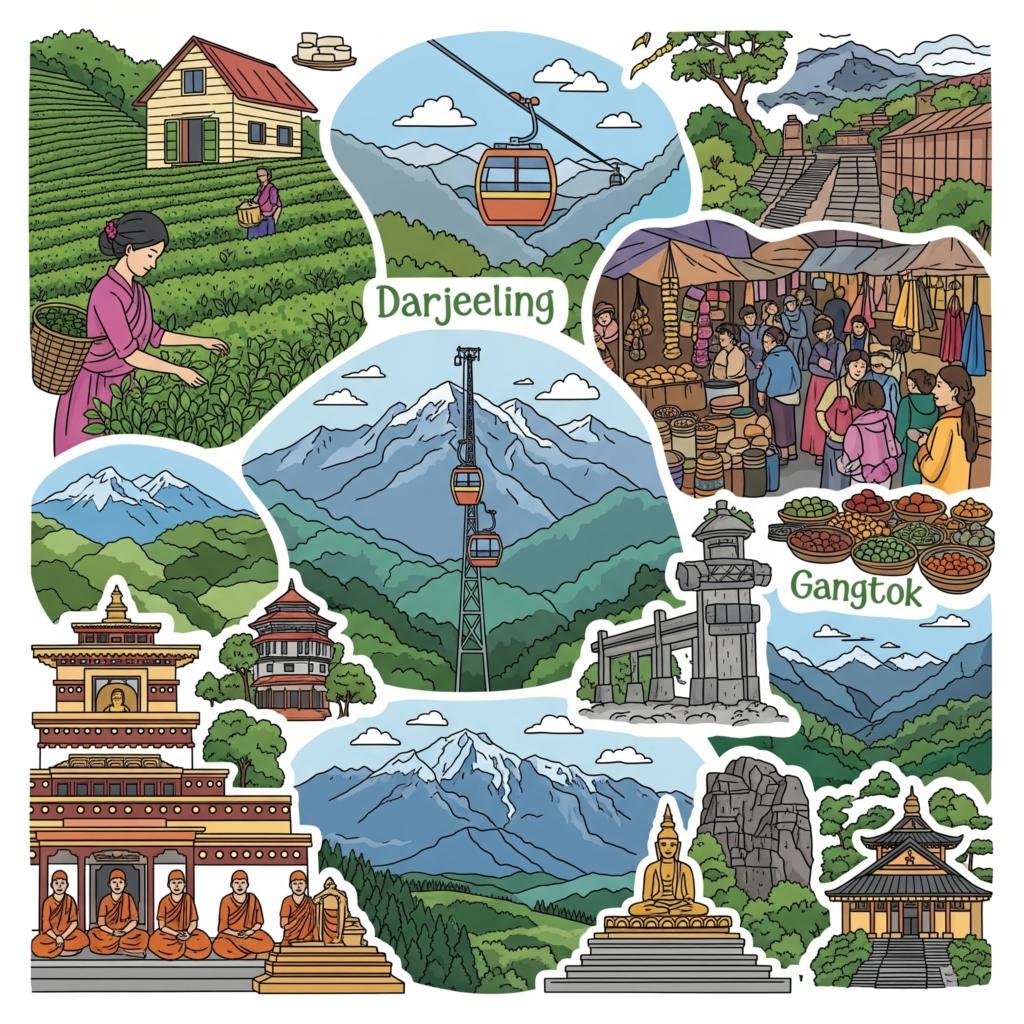
Experienced trekkers discover that the monsoon season offers exclusive trekking routes in Darjeeling and Sikkim that remain inaccessible during other times of the year. The Sandakphu-Phalut trek in monsoon provides spectacular rhododendron blooms, mist-covered ridgelines, and panoramic Himalayan views, making it the best time for the Sandakphu trek. Shorter day hikes from Gangtok and Darjeeling unveil hidden waterfalls and monsoon forest trails, ideal for those seeking offbeat treks in Gangtok or monsoon forest hikes in the Himalayas. Monsoon trekking in Darjeeling and Sikkim is not only safe but deeply rewarding. These guided treks during the rainy season offer a rare chance to experience the natural beauty of the hills without the crowds, perfect for travellers looking to explore the region’s untouched landscapes.
River Rafting and Water Sports
Monsoon-fed rivers around Gangtok offer some of the best white water rafting in Sikkim, especially between June to September, when the rivers are at their most thrilling. The Teesta and Rangit rivers come alive with grade II-IV rapids, making them perfect for adrenaline-seekers exploring monsoon adventure sports in Gangtok. These rafting trips near Gangtok are impossible to experience during dry months, making monsoon the best time for rafting in Sikkim. Whether you’re a seasoned rafter or trying it for the first time, safe rafting in the monsoon season adds an unforgettable thrill to any Darjeeling-Gangtok itinerary. These activities make it the best season to visit Darjeeling and Gangtok.
Suggested Itineraries
Long Weekend (3 nights, 4 days)
- Day 1: Fly into Bagdogra, drive to Darjeeling (3.5 hours). Evening walk on Mall Road.
- Day 2: Tiger Hill sunrise, Batasia Loop, Ghum Monastery, Happy Valley Tea Estate, Toy Train joy ride.
- Day 3: Day trip to Tinchuley or Mirik. Evening at Keventer’s or Glenary’s.
- Day 4: Morning at the Zoological Park and Himalayan Mountaineering Institute, drive back to Bagdogra.
Classic Loop (5 nights, 6 days)
- Days 1–3: Darjeeling (as above, condensed).
- Day 4: Drive Darjeeling to Gangtok (4.5 hours via NH10). Rest and MG Marg walk.
- Day 5: Tsomgo Lake and Baba Mandir day trip (permit required).
- Day 6: Rumtek Monastery, Enchey Monastery, drive to Bagdogra.
North Sikkim Add-On (7 nights, 8 days)
Add two extra nights after the Gangtok section for the Lachung–Yumthang–Zero Point circuit. Only viable after 20 September; check road status the week before departure.
Monsoon Magic: Why the Rainy Season is the Best Time to Book Your Villa Stay
Skip the tourist buzz and slip into the clouds! Monsoon turns Darjeeling and Gangtok into dreamy getaways, where cosy villas, mountain mists, and chai by the fireplace await. Discover the charming villas in Darjeeling and Villas in Gangtok this monsoon.
Frequently Asked Questions
The second half of September is excellent, especially after 20 September once the monsoon withdraws. The first two weeks of September still carry monsoon showers and cloud cover that block Kanchenjunga views. If you’re travelling in early September, budget for wet-weather flexibility. Mid-September onward, conditions improve rapidly.
Daytime temperatures range from 12°C to 20°C and nights drop to 8°C–12°C. Expect 8–12 rainy days spread across the month, mostly short evening spells. Skies are typically clearest between 6 a.m. and 10 a.m., which is when you should schedule sunrise viewpoints and outdoor sightseeing.
Yes, this is the whole reason to travel in this window. Tiger Hill sunrise view success rates climb from around 25% in August to over 70% by mid-October. Book two mornings at your viewpoint just in case the first is cloudy.
Yumthang Valley and Zero Point reopen around 20 September once landslide clearing completes. October is the first stable month for North Sikkim tours. Book through a registered Gangtok operator who handles the Protected Area Permit.
Pang Lhabsol (15 September 2026) at Tsuklakhang Monastery in Gangtok, Dashain (18–22 October 2026) across Gorkha and Sikkimese-Nepali communities, and local Indra Jatra celebrations in late September in Darjeeling.
Yes. The Singalila Ridge trek reopens around 15 September and runs strong through November. October offers the clearest views of Everest, Kanchenjunga, Lhotse, and Makalu on a single morning from Sandakphu peak.
April–May gives you rhododendron blooms and slightly warmer weather but also school-holiday crowds and peak room rates. October gives you clearer mountain views, thinner crowds, autumn light, and 20–30% lower stay costs outside the Durga Puja week.
Indian nationals don’t need a permit to enter Sikkim but do need one for Tsomgo Lake, Nathula, and North Sikkim (arranged locally). Foreign nationals need an Inner Line Permit, easily issued at Rangpo checkpost or in advance through Sikkim Tourism.
Wrap-Up
If you’ve been putting off Darjeeling and Gangtok because you assumed peak season was the only sensible time to go, September 15 to October 31 is worth a second look. You get the clearest Kanchenjunga views of the year, the fullest festival calendar, reopened trekking trails, and softer rates — all before the December crowd arrives. Plan the trip around Pang Lhabsol or use the window right after Dashain, and you’ll have the hills to yourself in a way that isn’t possible in April or December.
Ready to book? Explore StayVista’s curated homestays and boutique villas in Darjeeling and Gangtok, and travel the Eastern Himalayas at their post-monsoon best.
Written by: Elita Almeida

0 comments
No comments yet. Be the first to start the conversation!
Add to the conversation.
Your email won't be published. Required fields are marked *.